The Definitive Guide to Marine Vessel Painting in Vancouver: Weather Windows, Containment, and Coating Systems
In the Pacific Northwest, marine vessel restoration is a battle against physics and chemistry. For fleet managers and vessel owners in Vancouver, the challenge isn’t just applying paint; it’s executing a flawless coating system within a notoriously narrow “weather window” while navigating some of the strictest environmental regulations in North America.
A failed coating job in our climate is expensive. Premature delamination, solvent entrapment, and gloss die-back are rarely product failures—they are application failures caused by ignoring the specific atmospheric demands of the Salish Sea.
This guide details the technical protocols Spica Cleaning Services LTD employs to ensure industrial-grade finish and compliance from False Creek to the Fraser River.
The Meteorology of Adhesion: Conquering the Vancouver “Weather Window”
The primary adversary for any exterior paint project in British Columbia is moisture. High-performance marine coatings—specifically two-part linear polyurethanes (LPUs) and epoxies—rely on complex chemical cross-linking to cure. If the atmospheric conditions are outside the manufacturer’s envelope, the cure is compromised before the boat even leaves the yard.
The Thermodynamics of the Dew Point
The most critical metric is not air temperature, but the Dew Point spread. The International Maritime Organization (IMO) and coating manufacturers stipulate that the surface temperature of the hull must be at least 3°C (5°F) above the dew point during application and curing.
In Vancouver, where relative humidity (RH) frequently exceeds 80%, this margin of safety is often invisible. If the hull temperature drops to within 3°C of the dew point, invisible micro-condensation forms on the substrate. Painting over this moisture layer guarantees adhesion failure or “blushing”—a hazy, matte finish caused by the reaction of moisture with the curing agents.
Optimal vs. Critical Application Parameters
To prevent “solvent entrapment” (where solvents are locked inside the film by high humidity, causing bubbles later) and ensure a hard cure, we strictly adhere to these local parameters:
| Parameter | Optimal Range | Critical Limit (Vancouver Context) |
| Relative Humidity (RH) | 40% – 60% | Max 85%. Above this, solvents cannot evaporate efficiently. |
| Ambient Temperature | 10°C – 30°C (50°F – 85°F) | Below 10°C, epoxies may stop curing (dormancy). |
| Surface Temperature | 15°C – 25°C | Must be >3°C above Dew Point. |
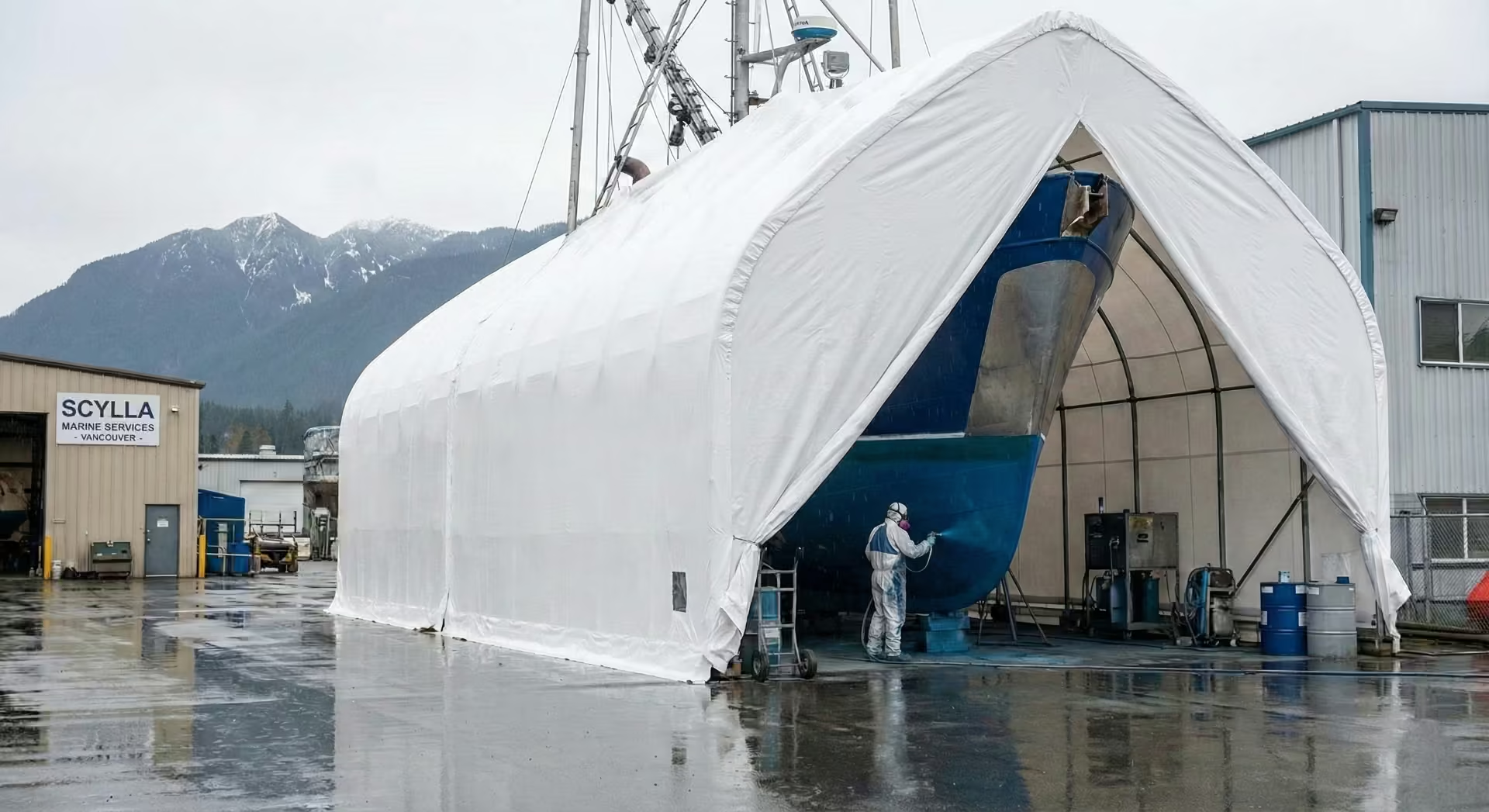
During Vancouver’s shoulder seasons (October–April), relying on ambient weather is a gamble. Professional execution often requires hoarding and heating—building a containment tent and using diesel heaters to artificially control the RH and temperature around the vessel.
Regulatory Compliance: The “Zero Discharge” Standard in BC Shipyards
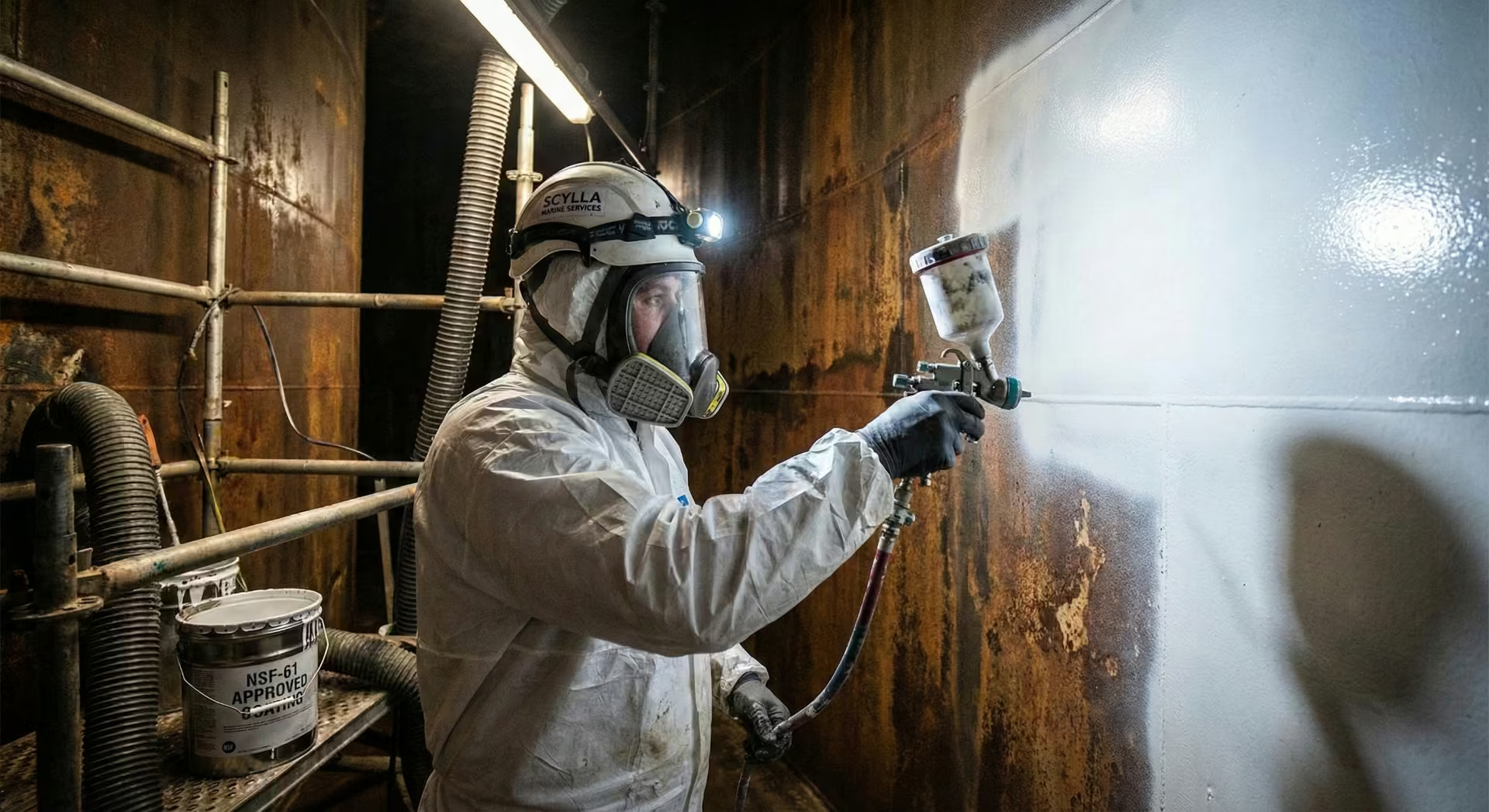
The days of open-air sanding and uncontained spray painting are over. Federal and municipal bylaws in Vancouver enforce a strict “zero discharge” policy to protect fish-bearing waters from heavy metals and microplastics.
Containment Infrastructure and Best Management Practices (BMPs)
Whether working at a private marina or a commercial shipyard like Shelter Island, “100% containment” is the standard. Infractions can lead to significant fines and work stoppages.
- Tarping & Hoarding: For spray applications or extensive sanding, the work area must be fully enclosed to prevent dust and overspray from entering the water or contaminating neighbouring vessels. Best practices involve constructing a barrier system using heavy-duty tarps secured with bungees or clamps to withstand wind loads.
- Ground Capture: When working on the hard (dry land), a ground sheet or impermeable tarp is mandatory to catch paint chips and sanding dust. This debris cannot be flushed into the yard’s drainage system; it must be vacuumed and disposed of as hazardous waste.
- Wash Water Control: Pressure washing residue, particularly from antifouling paints containing copper or zinc, is classified as a deleterious substance. It must be collected and treated, not allowed to run off into the ocean.
Specific Local Restrictions:
- Granville Island & False Creek: Major repairs like spray painting are generally restricted or prohibited at the dock to prevent drift and water contamination. “Minor maintenance” is permitted only with strict containment protocols.
- Richmond & Delta Shipyards: Facilities like Shelter Island mandate that spray painting and sanding dust be “100% contained,” often requiring vacuum-assist sanders and full tenting.
Industrial Surface Preparation Standards
A marine coating system is only as good as the surface profile it bonds to. At Spica, we follow industrial specifications to ensure mechanical and chemical adhesion.
Step 1: Chemical Decontamination (The Solvent Wash) Before sanding begins, the hull must be chemically cleaned. Commercial vessels accumulate diesel soot, grease, and silicone. Sanding a dirty hull drives these contaminants into the pores of the gelcoat or metal, causing “fish eyes” and peeling later. We utilize the “two-rag method” (wipe on wet, wipe off dry) with specialized solvent degreasers to remove all surface oils.
Step 2: Surface Profiling
- Steel/Aluminum: For metal hulls, we aim for an SA 2.5 (Near White Metal) blast standard where possible. This removes mill scale and rust, providing the “tooth” necessary for primer adhesion.
- Fiberglass/Gelcoat: Surfaces are sanded to a uniform matte finish to remove oxidation and old coatings.
Selecting the Right Coating System for BC Waters
Vancouver’s mix of heavy rain, UV exposure, and mechanical abrasion from debris requires specific chemistries.
1. The Primer Foundation On metal vessels, a Zinc-Rich Primer or high-build epoxy is non-negotiable. These primers provide cathodic protection (sacrificing themselves to protect the steel) and seal the substrate from moisture ingress.
2. The Topcoat: Durability vs. Repairability
- Two-Part Linear Polyurethanes (LPU): (e.g., Interlux Perfection, Awlgrip). These offer the highest gloss and UV retention, creating a “ceramic-like” shell that resists diesel staining and scratches. They are ideal for superstructure and topsides but require perfect application conditions.
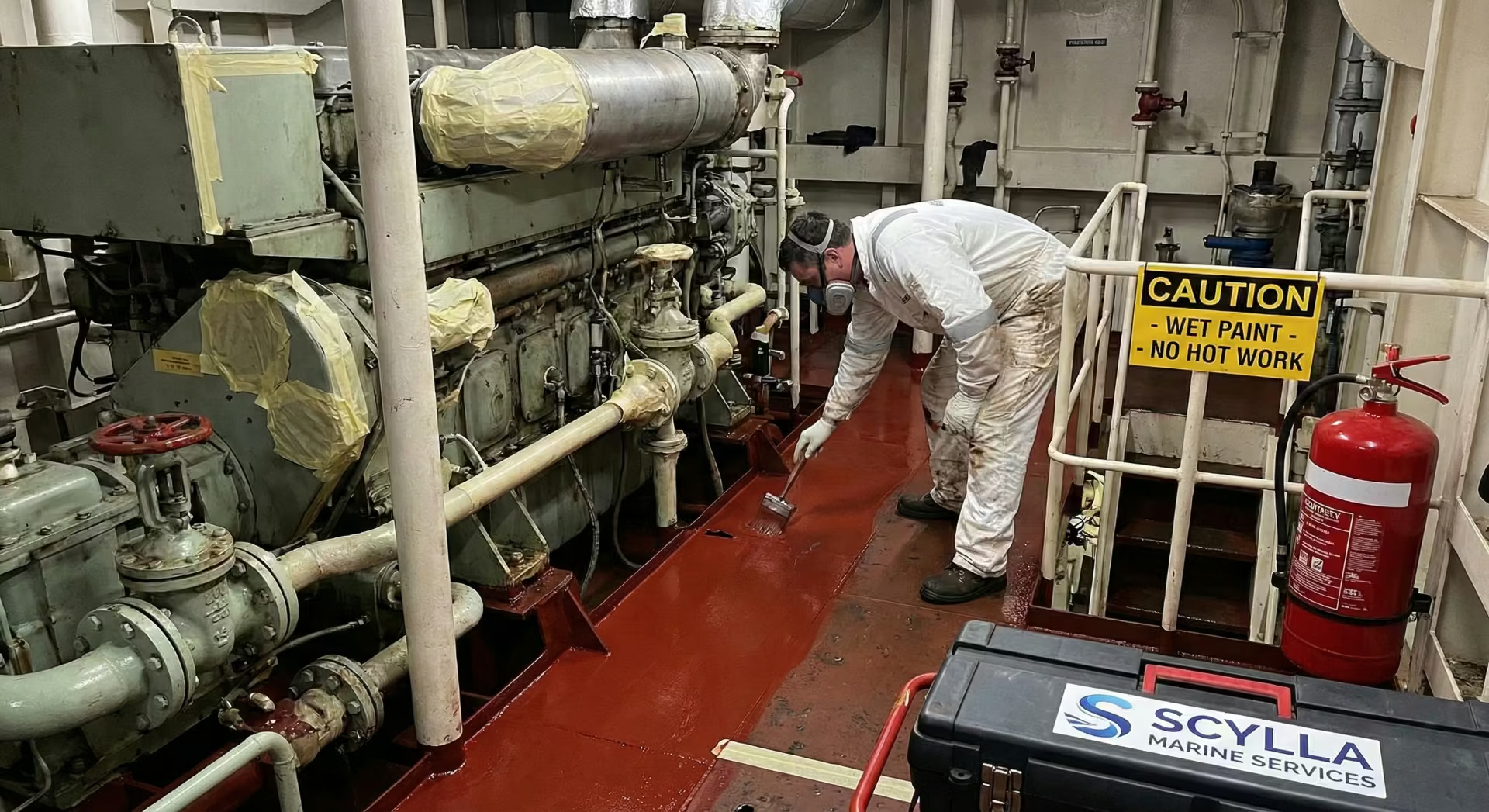
- Aliphatic Polyurethanes: For engine rooms and high-traffic areas, we recommend products like Sherwin Williams Pro-Line 4800. These coatings resist yellowing, withstand heat and oil, and are easier to touch up than high-gloss yacht finishes.
3. The Application Method While spraying yields a factory finish, the “Roll and Tip” method is a viable alternative for projects where full tenting isn’t feasible. By rolling the paint on and immediately smoothing it with a fine brush, skilled technicians can achieve excellent results that respect local spray restrictions.
Conclusion: The Spica Authority Model
Marine painting in Vancouver is a technical discipline, not a cosmetic quick-fix. By adhering to strict weather windows, robust containment protocols, and industrial preparation standards, Spica Cleaning Services LTD delivers restoration projects that survive the Salish Sea’s rigors. Don’t let moisture or regulations sink your refit—trust the local experts who understand the science of the surface.