Operational Readiness: Charter Turnaround Protocols and Marine HVAC Hygiene
In Vancouver’s high-stakes charter market, a vessel’s condition between guests is the difference between a five-star review and a refund request. During the peak season from May to September, “turnaround” is not merely a cosmetic dusting; it is a rapid, industrial-grade sanitization operation.
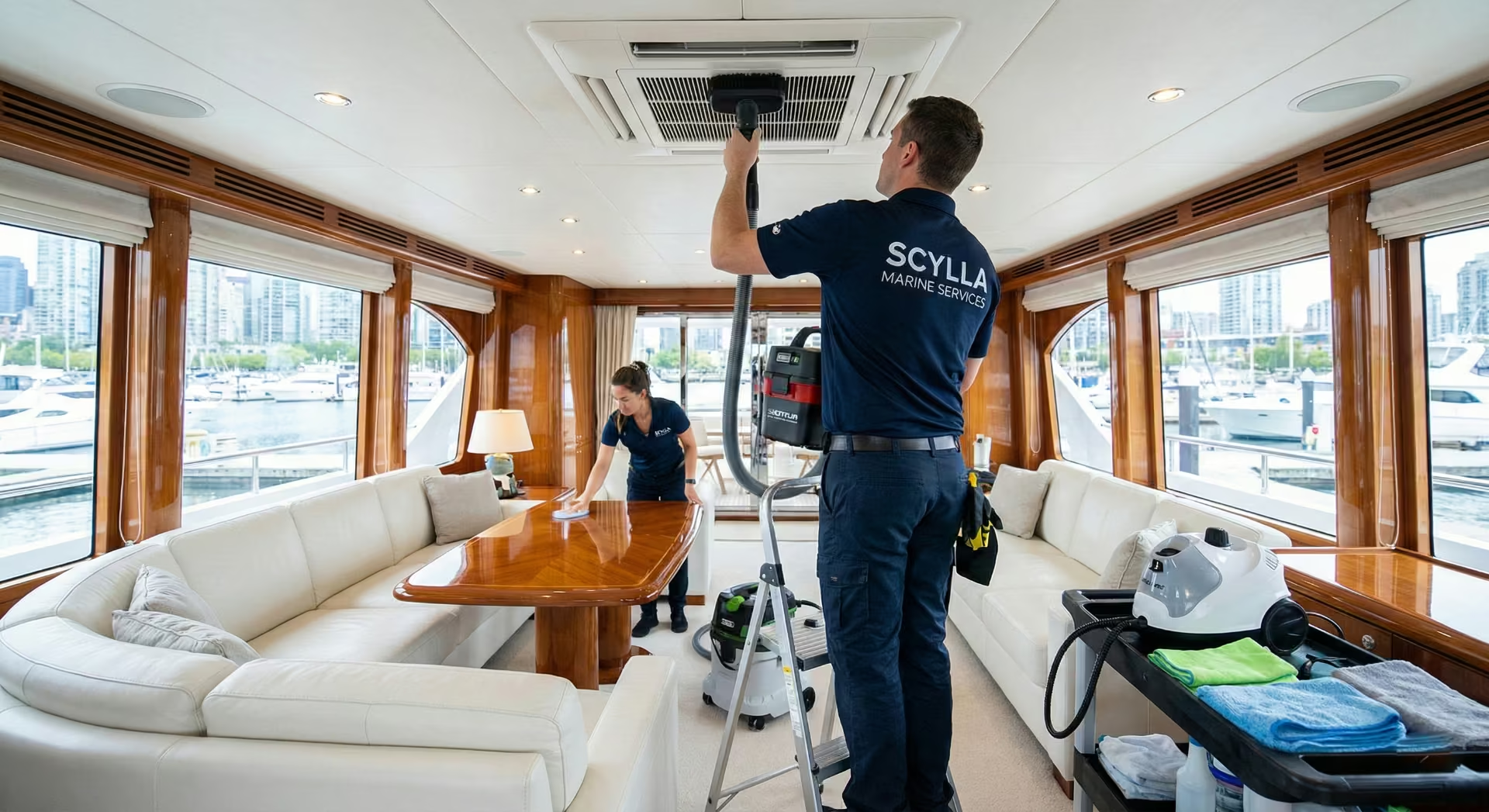
For fleet managers and private owners in Coal Harbour and False Creek, the challenge is twofold: executing a hospital-grade deep clean within a tight 4-to-6-hour window, and managing the invisible buildup of mold and diesel soot in the ship’s lungs—the HVAC system.
Spica Cleaning Services LTD provides the technical cleaning protocols required to ensure operational readiness. This guide outlines the industrial standards for charter hygiene, fire safety in the galley, and strict environmental compliance in local waters.
The Logistics of the “Turnaround”: Beyond Surface Cleaning
A vessel returning to the dock on Sunday evening must be chemically and aesthetically reset for Monday morning guests. Standard housekeeping is insufficient for the marine environment.
1. Galley Hygiene and Fire Safety
Marine galleys operate under intense pressure. Grease accumulation in range hoods and extraction ducting is a primary fire hazard.
- The Protocol: We utilize industrial degreasers to strip lipid buildup from exhaust fans and filters. Under Canadian Marine Occupational Health and Safety Regulations, galleys must be maintained in a sanitary condition to prevent pest infestation and fire risks.
- Deep Sanitization: High-touch surfaces (fridges, latches) are disinfected to prevent Norovirus outbreaks, a known risk in confined maritime environments.
2. Head Systems: The Calcium Threat
Marine toilets flushing with seawater are prone to rapid calcium carbonate (scale) buildup. This scale narrows discharge pipes, leading to catastrophic blockages during a charter.
- Descaling: We circulate acidic descalers (such as Rydlyme Marine) through the black water lines to dissolve scale deposits without damaging rubber seals or macerator pumps.
3. Fabric Management: Fighting the “Damp”
The Pacific Northwest climate is naturally humid. Salt crystals trapped in upholstery and carpets are hygroscopic—they attract and hold moisture from the air, making cabins feel perpetually damp and clammy.
- Extraction: We employ hot-water extraction cleaning to physically remove salt crystals from fabrics. Removing the salt breaks the cycle of moisture retention, leaving the interior air feeling drier and fresher.
Marine HVAC and Duct Cleaning: The Invisible Health Hazard
The damp, cool climate of the Salish Sea creates an ideal incubator for mold within ventilation systems.
The “Boat Smell” Source
Condensation forms inside air conditioning and heating ducts. This moisture, combined with organic dust (skin cells, lint), creates a breeding ground for molds like Cladosporium and Aspergillus. When the AC starts, these spores are blasted into guest cabins, causing respiratory issues and the distinct “musty boat smell.”
Diesel Heater Hygiene
Webasto and Espar diesel heaters, ubiquitous on BC boats, accumulate soot in the combustion chamber and dust in the distribution ducting. This reduces thermal efficiency and can pose a fire risk if lint builds up near the heat source.
The NADCA Standard Solution
Spica adheres to National Air Duct Cleaners Association (NADCA) standards for source removal.
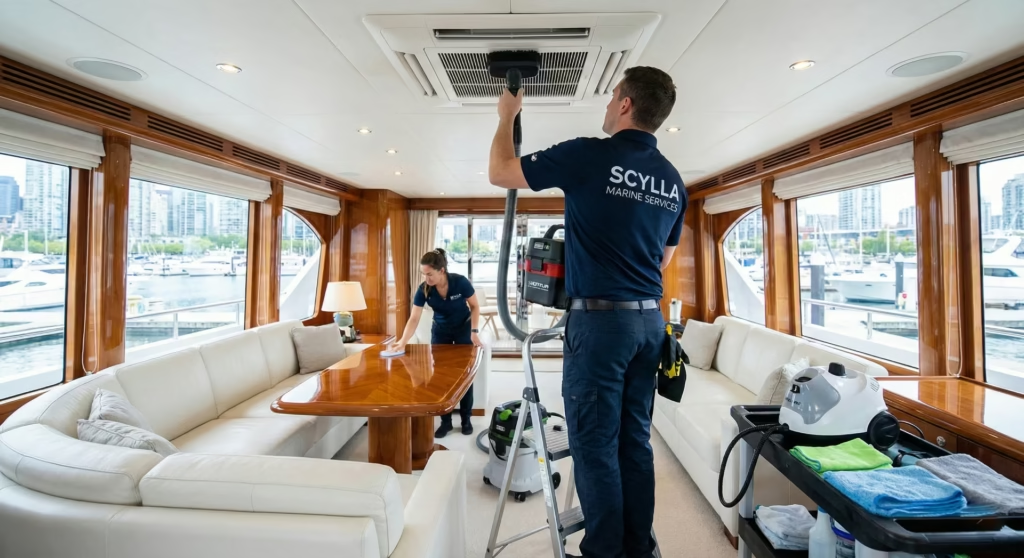
- Negative Pressure: We do not just spray perfume into the vents. We place the system under negative pressure (vacuum) and use rotary brushes and air whips to physically dislodge debris, capturing it in a HEPA filtration unit.
- Dryer Vents: On larger yachts, dryer vents are a critical ignition point. Lint accumulation in long, winding marine exhaust runs must be mechanically removed to prevent overheating and fire.
Eco-Friendly Compliance: False Creek and Beyond
Discharge regulations in Vancouver are tightening. In sensitive basins like False Creek, “grey water” (soapy water from sinks and showers) is a major environmental concern.
The “Zero Discharge” Mindset
While black water discharge is strictly prohibited within 3 nautical miles of shore, grey water containing phosphates contributes to algae blooms and oxygen depletion in enclosed anchorages.
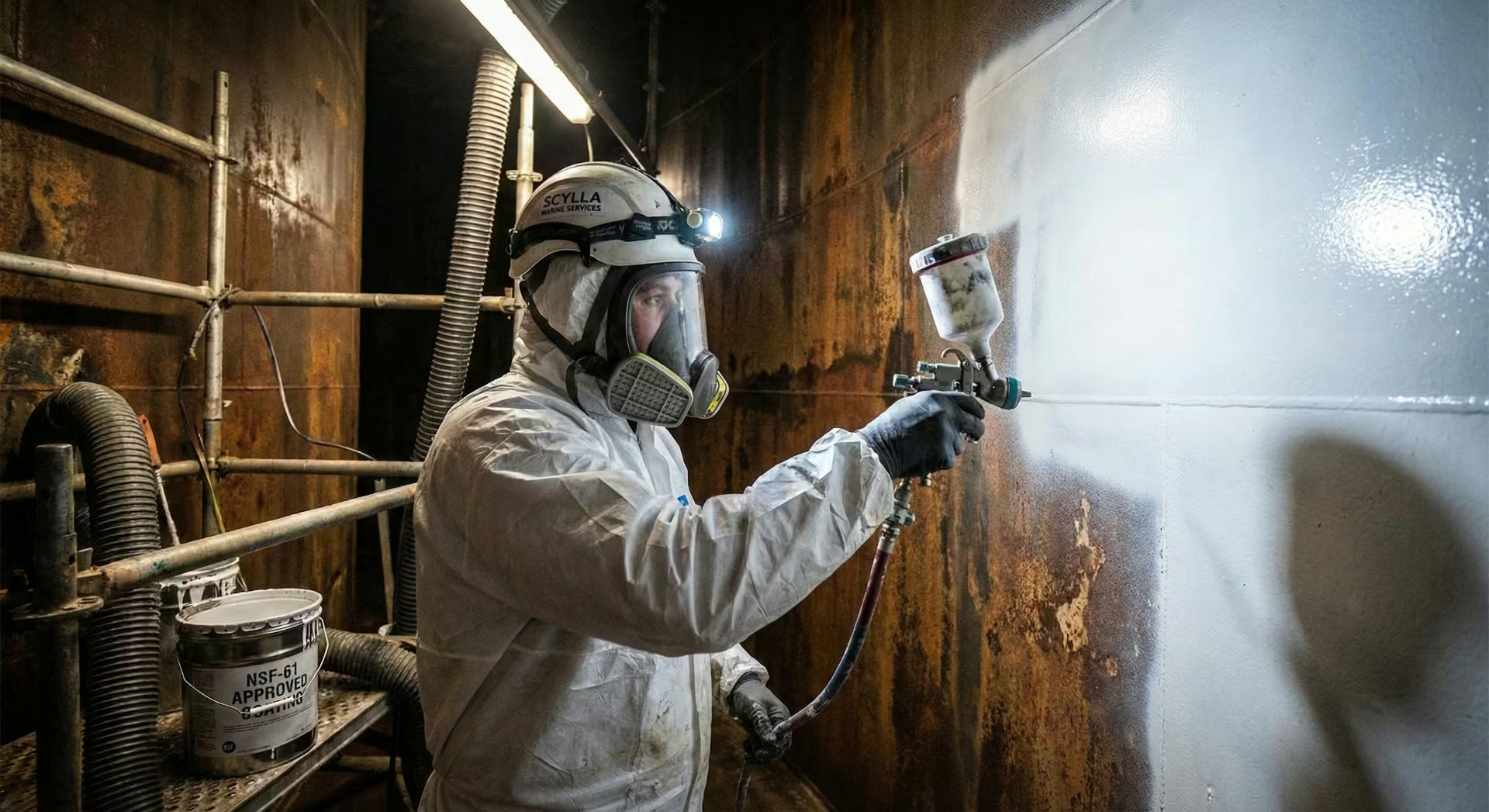
- Green Chemistry: Spica utilizes cleaning products that align with Clean Marine BC best practices. We exclusively use biodegradable, phosphate-free products that are non-toxic to aquatic life.
- Trusted Brands: We source compliant chemistries from brands like Ecoworks Marine, BioKleen, and Star Brite Sea Safe, available through local distributors like Steveston Marine.
Conclusion
Operational readiness is about risk management. By implementing professional HVAC cleaning and eco-compliant turnaround protocols, you protect your vessel’s value, your guests’ health, and the marine environment we all rely on. Trust Spica Cleaning Services LTD to keep your fleet charter-ready.