Engine Room and Industrial Deck Coatings: Fire Safety, Chemical Resistance, and Heat Management
The engine room of a commercial vessel is the most hostile coating environment in the maritime industry. For tug operators in the Burrard Inlet and fishing fleets out of Steveston, the machinery space presents a “triple threat” that destroys standard paints: extreme thermal cycling, constant vibration, and a chemical cocktail of diesel, hydraulic fluid, and degreasers.
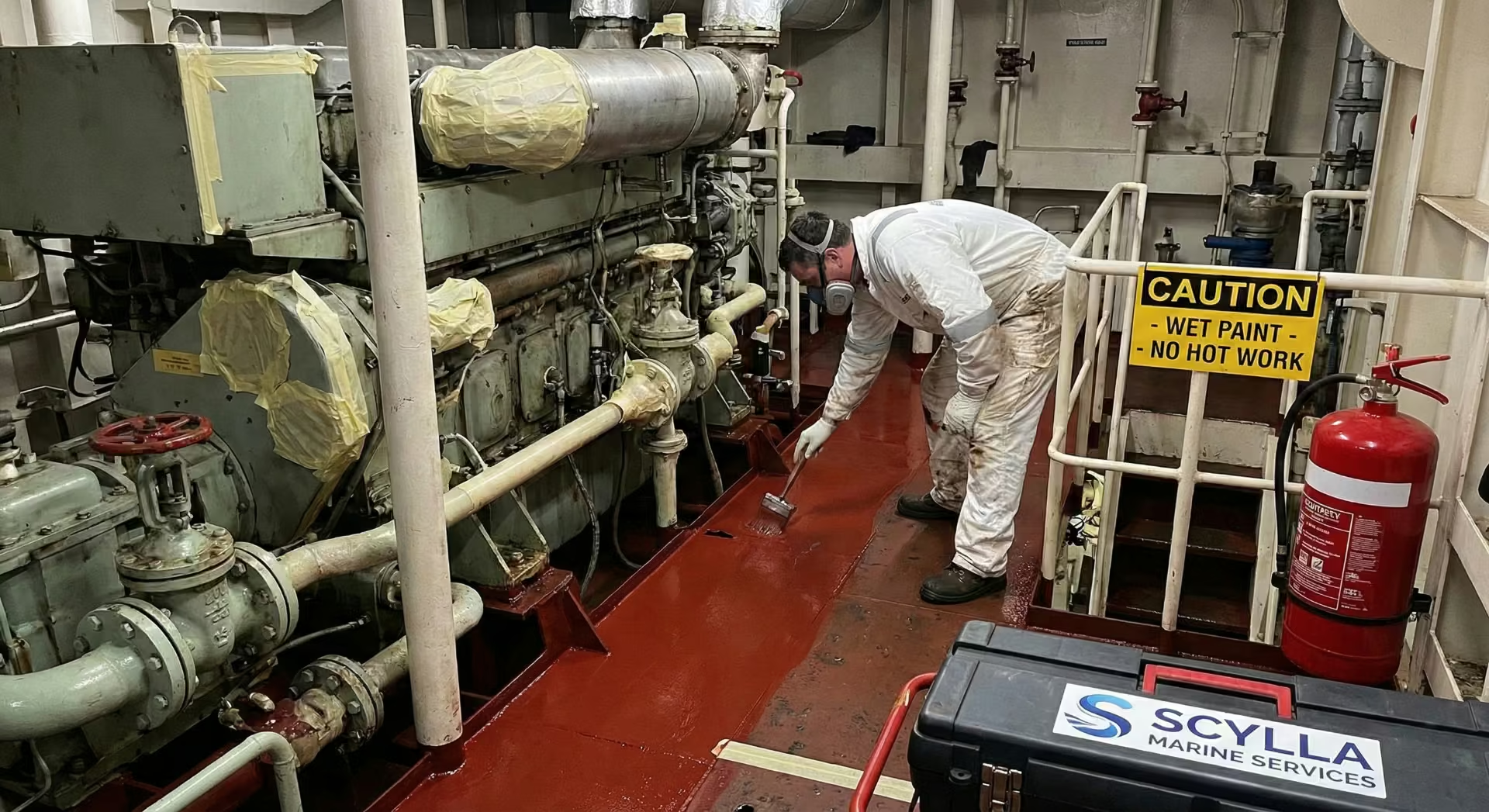
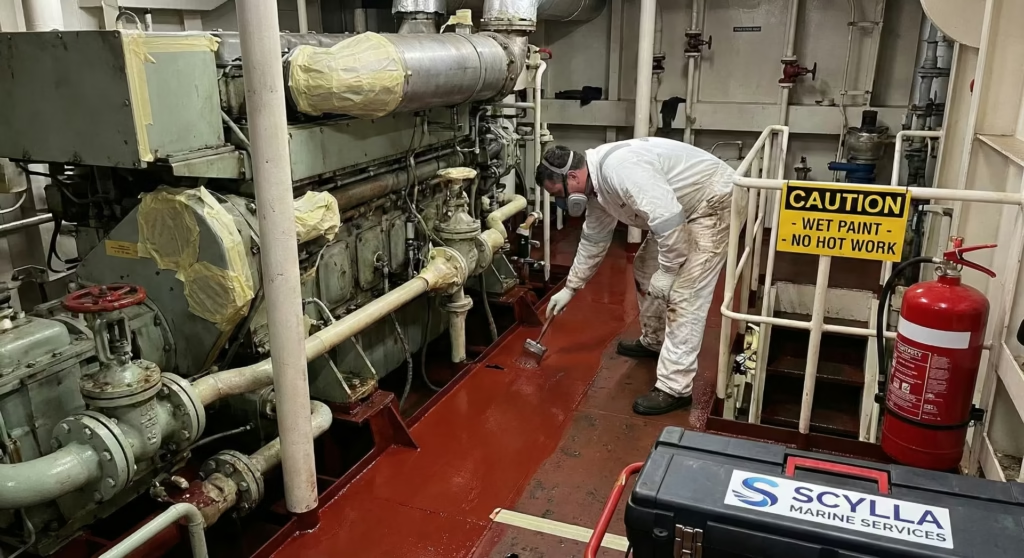
At Spica Cleaning Services LTD, we treat engine room restoration not as a cosmetic task, but as a critical safety protocol. A white, high-gloss engine room is a safety device—it reflects light to reveal leaks instantly, prevents oil absorption into concrete or steel, and reduces fire propagation risks.
This technical guide outlines the industrial coating systems and safety protocols required to survive the heat and hydrocarbons of Vancouver’s working vessels.
The Chemistry of Survival: Selecting the Right System
Standard “bilge paint” from a chandlery is insufficient for commercial applications. We utilize industrial protective coatings engineered to withstand specific stressors.
1. The Bilge: Surface-Tolerant Epoxies
In a working refit, achieving a perfectly dry, oil-free bilge is often impossible. Moisture and residual oil sit in the micropores of the steel. Standard epoxies will lift within months.
- The Solution: We specify Surface-Tolerant Epoxies (e.g., International Interbond or Sherwin Williams Macropoxy). These coatings are chemically engineered to displace surface moisture and bond to marginally prepared substrates.
- Oil Resistance: These high-solids epoxies cure to a dense, cross-linked film that is impervious to standing diesel and lube oil, preventing the “softening” seen in single-pack enamels.
2. Machinery and Bulkheads: Aliphatic Polyurethanes
Epoxies chalk and yellow under UV light or high heat. For main engines, generators, and visible piping, we apply Aliphatic Polyurethanes (such as Sherwin Williams Pro-Line 4800).
- Heat Handling: Unlike alkyds which become brittle and crack with thermal expansion, urethanes maintain flexibility, moving with the engine block as it heats and cools.
- Hygiene: The hard, high-gloss finish sheds grease and allows for easy wipe-downs, essential for identifying new leaks during daily rounds.
3. High-Temperature Zones: Silicone Ceramics
Exhaust manifolds, turbochargers, and uptake lagging operate at temperatures that burn standard paint off in minutes, creating toxic smoke.
- The Protocol: We utilize Silicone-Ceramic or Silicone-Acrylic coatings rated for 260°C to 650°C (500°F – 1200°F).
- Curing: These coatings often require a “heat cure”—the engine must be brought up to operating temperature slowly to vitrify the ceramic resins. Applying these without understanding the cure cycle leads to immediate failure.
Fire Safety and SOLAS Compliance
In commercial marine applications, paint flammability is a regulated factor. Thick layers of old paint can propagate a fire.
- Low Flame Spread: For SOLAS-regulated vessels (Safety of Life at Sea), coatings must meet IMO “Low Flame Spread” criteria (Part 5 of the FTP Code). This ensures that if an engine fire occurs, the bulkhead paint will not flash over or generate excessive toxic smoke.
- Oil Saturation: Old, porous paint that has soaked up years of oil is a “wick” for fire. Our preparation process involves stripping these oil-saturated layers down to sound steel to remove the fuel source.
The “Factory Deck”: Hygiene and Non-Skid
For BC’s fishing fleet, the processing deck is a food production facility. Coatings here must balance aggressive traction with hygiene standards.
- CFIA Acceptability: Decks in processing areas must be non-absorbent and easy to clean to meet Canadian Food Inspection Agency (CFIA) hygiene requirements.
- The System: We apply solvent-free, high-build epoxy liners with broadcast aggregates (aluminum oxide or rubber crumb). This creates a seamless, monolithic floor.
- Sanitation: No seams means no bacteria traps. Fish blood and slime cannot penetrate to the steel.
- Traction: We adjust the aggregate profile based on the zone—heavier grit for the hauling station, finer grit for the packing tables to allow easier cleaning.
Critical Execution: Confined Space Safety
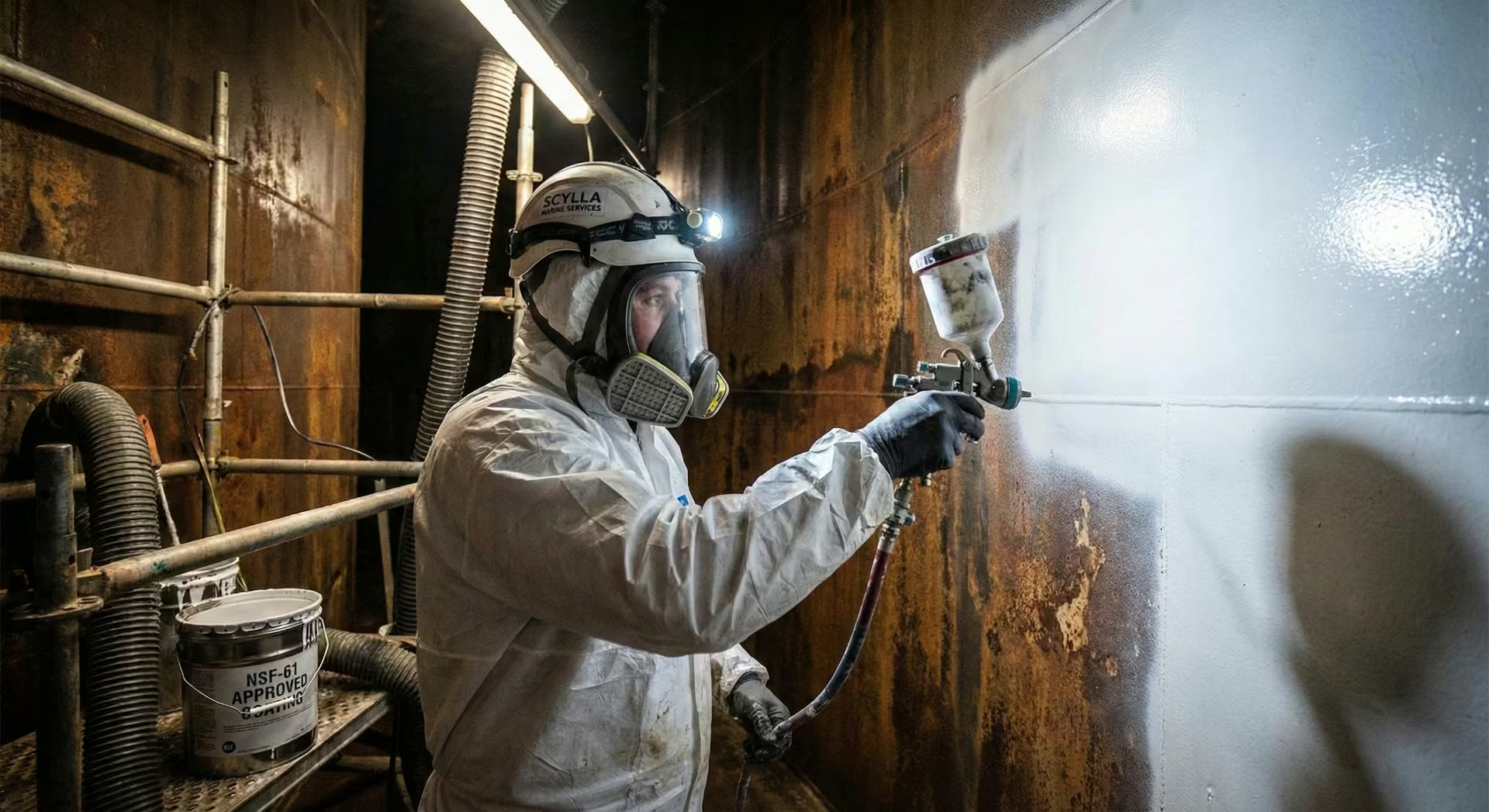
Painting an engine room or water tank is classified as Confined Space Entry under WorkSafeBC Regulation Part 9. The accumulation of solvent vapors (VOCs) in a steel box creates immediate risks of explosion and asphyxiation.
Spica’s Mandatory Safety Protocol:
- Marine Chemist Certification: Before entry, we require a “Safe for Workers” certificate if hot work or previous hazards existed.
- Ventilation: We employ high-volume extraction fans (negative pressure) to remove solvent vapors. This is critical not just for safety, but for the paint cure—solvent entrapment causes the coating to stay soft and smell of thinner for months.
- Isolation: All systems are “locked out/tagged out.” We mask critical components (hoses, wiring harnesses, sensors) to prevent overspray damage that could compromise vessel reliability.
Conclusion
A commercial engine room painting project is 80% preparation and safety, and 20% application. By choosing the right industrial chemistries and adhering to strict confined space protocols, Spica Cleaning Services LTD delivers refits that enhance safety, simplify maintenance, and withstand the demands of the BC coast.